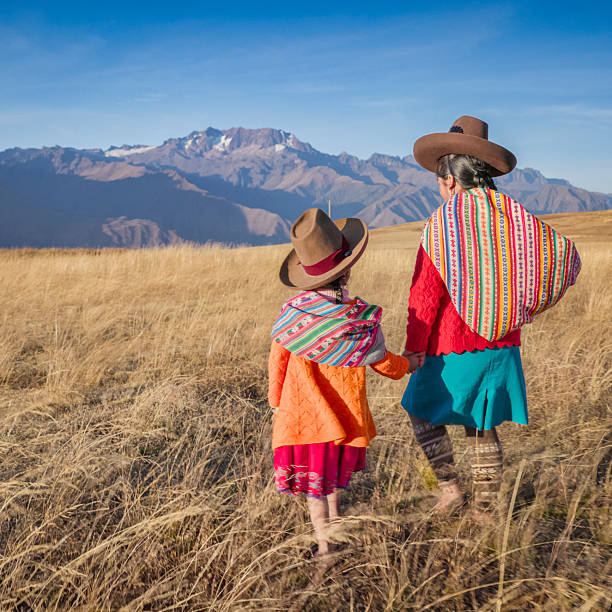
Indigenous Communities in Peru
Cultural Context, Healthcare Access, and HIV Prevalence
Indigenous women in Peru are particularly vulnerable to health disparities, including infectious diseases like HIV, due to a combination of socio-economic, cultural, and geographic factors.
This document examines the current state of HIV in Indigenous communities, with a focus on Indigenous women’s access to sexual and reproductive health and rights (SRHR) services.
1. Cultural and Linguistic Diversity of Indigenous Communities in Peru
• Languages and Cultural Identity: Peru’s Indigenous communities speak around 48 languages, including Quechua, Aymara, and Asháninka, among others (Instituto Nacional de Estadística e Informática [INEI], 2018). Language is a critical component of cultural identity and affects access to education and healthcare, as many Indigenous people in rural areas have limited fluency in Spanish.
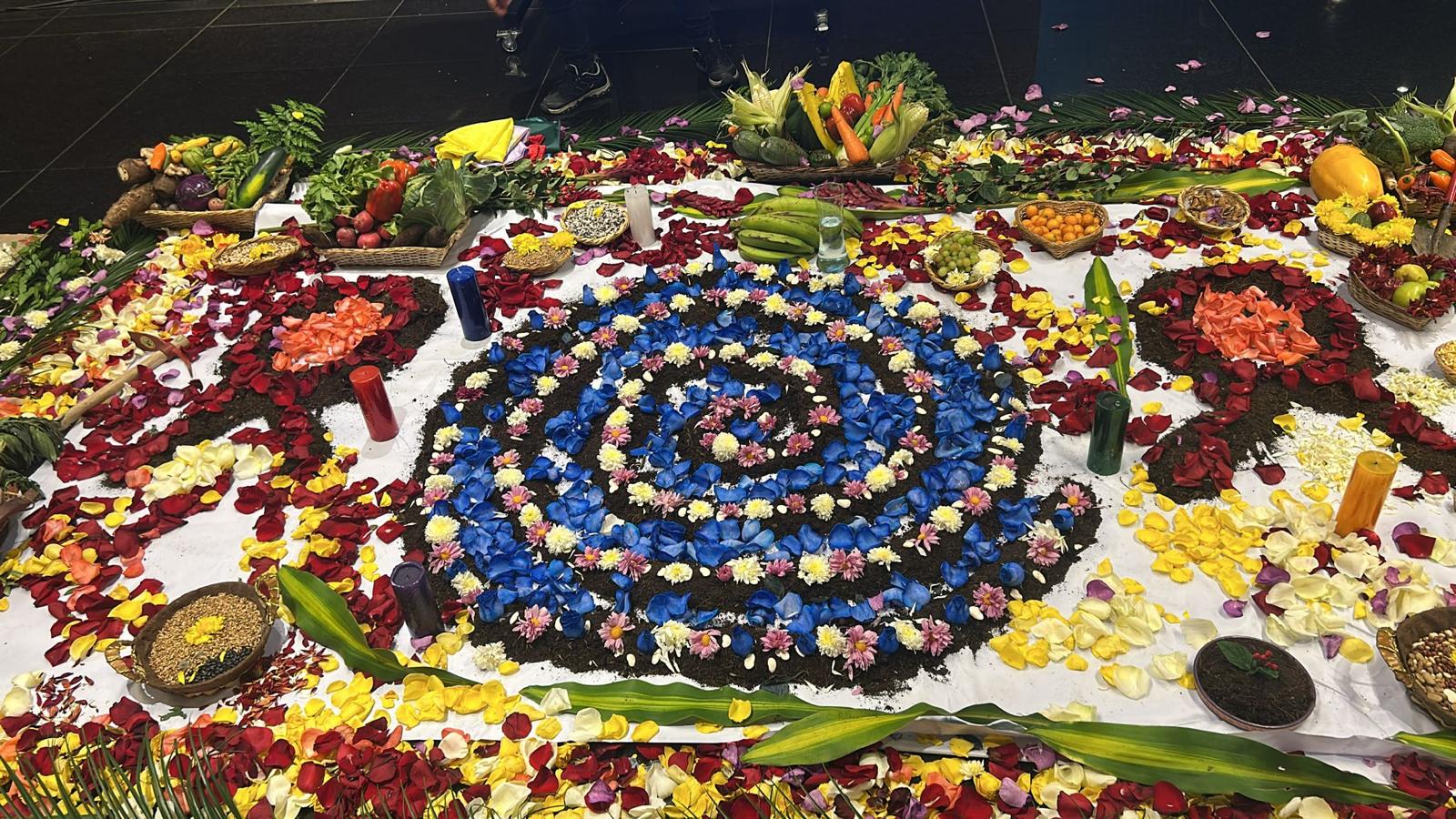
• Cultural Heritage and Traditions: Indigenous communities in Peru have rich cultural practices tied to agriculture, spirituality, and environmental stewardship. Traditional health practices, often involving natural medicine, are common in Indigenous communities, which can impact their engagement with formal healthcare systems (Rodriguez, 2019).
2. Socio-Economic Challenges Facing Indigenous Communities
• Poverty and Economic Marginalization: Indigenous people in Peru experience higher rates of poverty than the national average. Many are dependent on subsistence agriculture, which provides limited income and restricts access to healthcare and education (INEI, 2018).
• Educational Barriers: Access to quality education remains limited, particularly for Indigenous girls and women, due to factors like language barriers, economic challenges, and cultural norms. This results in lower literacy rates and limited health literacy among Indigenous women (World Bank, 2019).
• Healthcare Disparities: Indigenous communities often lack access to adequate healthcare due to geographic isolation, limited infrastructure, and a lack of culturally sensitive services. These barriers restrict Indigenous people’s ability to seek preventive care, including HIV testing and treatment (Pan American Health Organization [PAHO], 2021).
3. HIV and Indigenous Women’s Health in Peru
Prevalence and Vulnerability Factors
• HIV Prevalence: Peru has an HIV prevalence rate of approximately 0.3% (UNAIDS, 2023), though prevalence data disaggregated for Indigenous populations is limited. Indigenous women in remote areas are considered at heightened risk due to socio-economic vulnerabilities, low health literacy, and limited healthcare access (Ministerio de Salud, 2020).
• Migration and HIV Risks: Economic pressures often lead Indigenous men to migrate seasonally to urban centers or mining areas for work, where they may engage in high-risk behaviors. This migration increases the risk of HIV transmission within Indigenous communities upon their return, impacting women disproportionately (PAHO, 2021).
• Cultural and Social Barriers: Discussing sexual health is often taboo in Indigenous communities, which limits awareness and uptake of preventive health services. Indigenous women, in particular, face additional cultural restrictions that may prevent them from seeking HIV-related information and services (Torres & Velásquez, 2020).
Barriers to Healthcare Access
• Healthcare Infrastructure: Indigenous communities in the Andes and Amazon regions face severe healthcare infrastructure limitations. Clinics are often far from communities, requiring extensive travel, which poses challenges for Indigenous women seeking HIV testing and treatment (PAHO, 2021).
• Economic Constraints: Many Indigenous women live in poverty and lack the financial means to access healthcare services. Economic barriers not only limit travel to healthcare facilities but also restrict their ability to pay for services (World Bank, 2019).
• Stigma and Discrimination: HIV stigma is particularly strong in Indigenous communities, where infection is often misunderstood as a moral failing. This stigma discourages Indigenous women from seeking testing and treatment and can also affect healthcare providers’ attitudes, further hindering access to care (UNAIDS, 2023).
4. Efforts to Improve HIV Awareness and Prevention
Government and NGO Initiatives
• Government Programs: The Peruvian Ministry of Health (Ministerio de Salud) has made efforts to expand HIV services in Indigenous and rural areas. Mobile health clinics are deployed in some regions to provide testing and education services, though coverage is limited (Ministerio de Salud, 2020).
• NGO-Led Interventions: Organizations such as CARE Peru and the Asociación Pro Derechos Humanos (APRODEH) work with Indigenous communities to promote HIV awareness and provide education about SRHR. These programs often include training Indigenous community health workers to deliver culturally relevant information in Indigenous languages (CARE Peru, 2022).
• Gender-Sensitive Programs: Specific programs target Indigenous women, providing education on reproductive health and HIV prevention. These initiatives also work to reduce stigma within communities by engaging Indigenous leaders who can advocate for the importance of health-seeking behavior (Torres & Velásquez, 2020).
Recommendations for Future Efforts
• Culturally Appropriate Healthcare Services: Developing healthcare services that respect Indigenous cultural norms and languages is crucial. Providing health materials in Indigenous languages and training health professionals in cultural sensitivity can enhance trust and improve treatment uptake (Rodriguez, 2019).
• Reducing Stigma through Education: To address stigma, education programs must involve local Indigenous leaders and focus on HIV as a public health issue rather than a moral failing. Community leaders play a crucial role in changing perceptions and encouraging women to seek testing and care (UNAIDS, 2023).
• Improving Data Collection: Enhanced data collection on HIV prevalence within specific Indigenous groups would support targeted interventions. This data would allow health organizations to better allocate resources and tailor programs to the needs of various Indigenous populations (PAHO, 2021).
Indigenous women in Peru face numerous challenges in accessing healthcare, particularly for HIV prevention and treatment. Factors such as geographic isolation, economic hardship, and cultural stigma hinder Indigenous women’s ability to engage with healthcare systems effectively. Addressing these challenges requires culturally sensitive healthcare approaches, investment in healthcare infrastructure, and community education efforts to reduce stigma and increase HIV awareness. Collaborative initiatives from government agencies, NGOs, and Indigenous leaders are essential for improving SRHR outcomes for Indigenous women in Peru.
References
1. AIDESEP. (2021). Interethnic Association for the Development of the Peruvian Rainforest. Retrieved from https://www.aidesep.org.pe
2. Camino, L. (2018). Traditional medicine in Amazonian Indigenous communities and modern healthcare: A comparative study. Latin American Journal of Cultural Studies, 22(3), 103-119.
3. Finer, M., & Orta-Martínez, M. (2010). A second hydrocarbon boom threatens the Peruvian Amazon: Trends, projections, and policy implications. Environmental Research Letters, 5(1), 014012. https://doi.org/10.1088/1748-9326/5/1/014012
4. García, M. (2020). Indigenous land rights in Peru: The challenge of legal recognition and environmental exploitation. International Journal of Social Sciences, 35(2), 89-108.
5. Instituto Nacional de Estadística e Informática (INEI). (2018). Características de la población indígena en el Perú. Retrieved from https://www.inei.gob.pe/
6. Montenegro, R. A., & Stephens, C. (2006). Indigenous health in Latin America and the Caribbean. The Lancet, 367(9525), 1859-1869. https://doi.org/10.1016/S0140-6736(06)68808-9
7. Pan American Health Organization (PAHO). (2021). Health of Indigenous peoples in the Americas. Retrieved from https://www.paho.org
8. Rodriguez, M. (2019). Cultural heritage and environmental protection: The role of Indigenous communities in Peru. Journal of Environmental Anthropology, 14(2), 45-63.
9. World Bank. (2019). Indigenous peoples in Latin America: Economic and social conditions. Retrieved from https://www.worldbank.org
10. Yashar, D. J. (2005). Contesting citizenship in Latin America: The rise of Indigenous movements and the postliberal challenge. Cambridge University Press.
11. CARE Peru. (2022). Community-led HIV awareness programs for Indigenous populations in Peru. Retrieved from https://www.care.org.pe
12. Ministerio de Salud. (2020). Plan Nacional de Prevención y Control del VIH/SIDA. Retrieved from https://www.minsa.gob.pe
13. Torres, E., & Velásquez, D. (2020). HIV risk factors and access to health services among Indigenous women in Peru. Global Health Action, 13(1), 64-78.
14. UNAIDS. (2023). Country Factsheets: Peru. Retrieved from https://www.unaids.org/en/regionscountries/countries/peru