Indigenous Communities in Guatemala: Socio-Cultural Context Overview
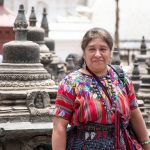
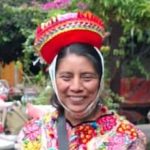
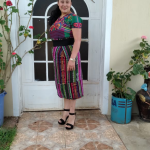
Indigenous communities in Guatemala, primarily comprising the Maya, Garífuna, and Xinca peoples, represent a significant portion of the nation’s population. The website of the Congress of the Republic of Guatemala reflects demographic data. According to the 2018 National Population Census by the National Institute of Statistics (INE), 43.6% of the Guatemalan population identifies as indigenous; of these, 41.7% are Maya.
1.Demographics and Distribution
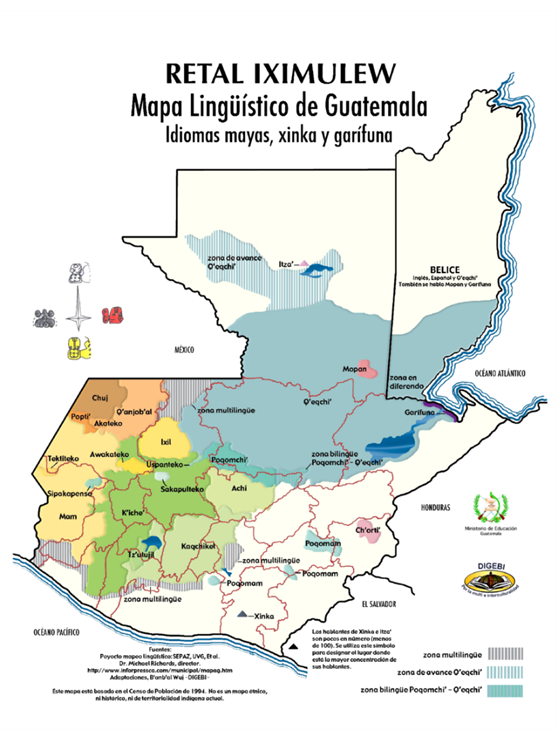
Maya: The Maya are the largest Indigenous group in Guatemala, encompassing 22 distinct ethnolinguistic groups, including K’iche’, Kaqchikel, Mam, and Q’eqchi’. They predominantly reside in the western highlands and northern regions of the country.
Garífuna: The Garífuna people, of mixed African and Indigenous descent, primarily inhabit the Caribbean coastal areas, notably Livingston in the Izabal department. They represent about 0.13% of the population.
Xinca: The Xinca are a non-Mayan Indigenous group located mainly in the southeastern departments of Santa Rosa, Jutiapa, and Jalapa. They constitute approximately 1.77% of the population.
2.Socio-Economic Challenges
Indigenous communities in Guatemala face several socio-economic challenges:
Poverty: A significant proportion of Indigenous people live in poverty, with limited access to education, healthcare, and economic opportunities. This economic disparity is more pronounced in rural areas where many Indigenous communities are located.
Education: Educational attainment among Indigenous populations is lower compared to non-Indigenous groups. Factors such as language barriers, economic constraints, and limited access to schools contribute to high dropout rates and low literacy levels.
Health: Indigenous communities experience higher rates of malnutrition, maternal and infant mortality, and infectious diseases. Access to healthcare services is often limited due to geographic isolation and economic barriers.
Cultural Revitalization and Resilience
Despite these challenges, Indigenous communities demonstrate resilience and a strong commitment to cultural revitalization:
Language Preservation: Efforts to preserve and promote Indigenous languages are ongoing, with programs supporting language education and revitalization.
Cultural Practices: Traditional practices and ceremonies continue to play a vital role in community cohesion and identity.
Government Initiatives
The Guatemalan government has implemented various initiatives to address disparities and support Indigenous communities:
Peace Accords: The 1996 Peace Accords included commitments to recognize and protect Indigenous rights, though implementation has been inconsistent.
Legal Frameworks: Laws such as the 2003 Law on National Languages aim to promote the use of Indigenous languages in public life.
Indigenous communities in Guatemala are integral to the nation’s cultural fabric. While they face significant socio-economic and health challenges, ongoing efforts in cultural revitalization, government policy, and community resilience contribute to positive change and the pursuit of equity.
References
The website of the Congress of the Republic of Guatemala reflects demographic data. According to the 2018 National Population Census by the National Institute of Statistics (INE), 43.6% of the Guatemalan population identifies as indigenous; of these, 41.7% are Maya.
Indigenous communities in Guatemala are integral to the nation’s cultural fabric. While they face significant socio-economic and health challenges, ongoing efforts in cultural revitalization, government policy, and community resilience contribute to positive change and the pursuit of equity.