Indigenous Communities in Canada: Socio-Cultural Context Overview
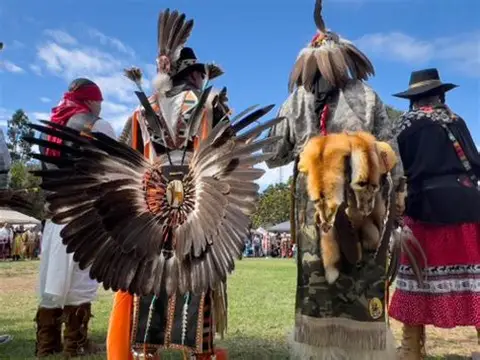
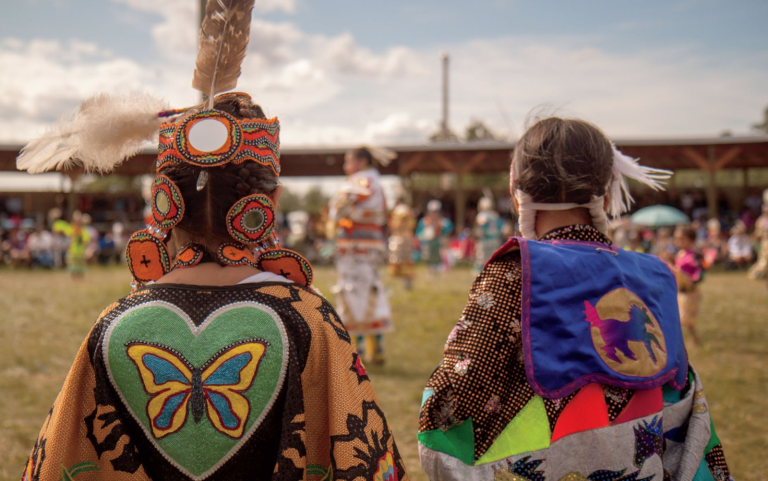
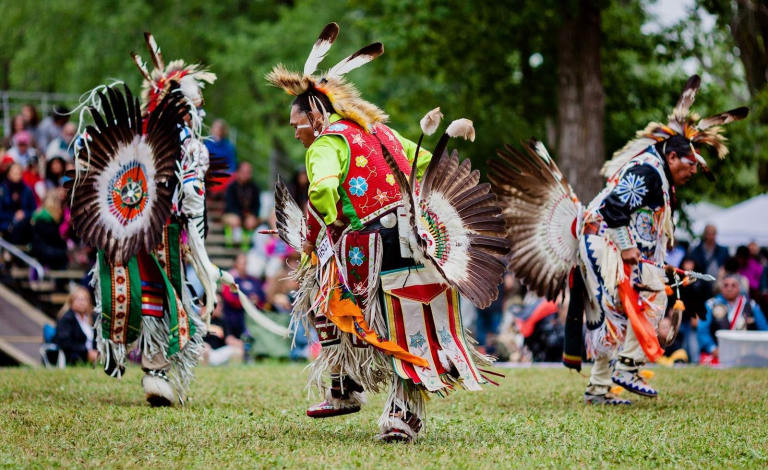
Canada is home to diverse Indigenous peoples, broadly categorized as First Nations, Inuit, and Métis. Each group possesses distinct histories, languages, governance systems, and cultural practices. According to Statistics Canada, more than 1.8 million individuals identify as Indigenous, representing approximately 5% of the national population. This population demonstrates significant diversity, with over 70 Indigenous languages and numerous Nation-specific identities and territories, Historical Context and Structural Determinants. Women account for a disproportionately high share of HIV cases among Indigenous populations, highlighting gender-specific vulnerabilities. The disproportionate impact of HIV on Indigenous women in Canada is closely associated with systemic inequities, including gender-based violence, colonial legacies, and barriers to accessing culturally safe services (Canadian HIV/AIDS Legal Network, 2017).
The Canadian HIV/AIDS Legal Network (2017, March) emphasizes that Indigenous women’s vulnerability to HIV is deeply shaped by intersecting factors such as gender-based violence, systemic discrimination, and the ongoing impacts of colonialism.
Canadian HIV/AIDS Legal Network. (2017, March). Indigenous women, HIV and gender-based violence.
Project Summary
Our project focuses on Indigenous-led solutions that help promote and support good sexual and reproductive health and rights for Indigenous women and girls living with HIV. Cis women, trans women, two-spirit and non-binary people are all welcomed to participate in the project.
Principal Investigators Carrie Martin, Renée Masching, and Dr. Sean Yaphe lead this research project. We work from the Research Institute of the McGill University Health Centre and the Indigenous Health Centre of Tiohtià:ke. A Community Advisory Council, made up of Indigenous people with living/lived experience of HIV, guides our work.
What are Sexual and Reproductive Health and Rights?
Sexual and Reproductive Health and Rights (SRHR) cover many areas of wellbeing that impact both individuals and communities. Here are some examples:
Access to comprehensive, good-quality information about sex and sexuality
Access to sexual health care and gender-affirming care
The ability to have pleasurable and safe sexual experiences free from violence
The ability to choose if and when to be pregnant and have children
Care for the reproductive system, such as abortion care, family planning, menopause care, and gender-affirming care.
Indigenous women living with HIV have more difficulty accessing SRHR than Indigenous women who are not living with HIV. At the same time, having poor access to SRHR can lead to higher rates of HIV acquisition. Our goal is to find ways to improve SRHR for Indigenous women living with HIV. Indigenous women living with HIV are the experts in their own experiences and they should lead the way to find solutions to the barriers to good SRHR.
Our project uses community-based Indigenous research methodologies. To gather data, we will hold Sharing Circles in five Canadian cities during the winter and spring of 2026. These cities are Vancouver, Winnipeg, Toronto, Montreal, and Halifax. In each city, there will be Sharing Circles for:
Indigenous women living with HIV
Indigenous men who have close relationships with Indigenous women living with HIV
Healthcare Providers
At each Sharing Circle, participants will be invited to share their views on sexual and reproductive health and rights, and discuss how to improve access for Indigenous women living with HIV.
We will also send out a survey to Indigenous women living with HIV to learn more about their experiences with sexual and reproductive health and rights.
Using the data we gather in the Sharing Circles and surveys, we will make educational and policy materials to support good sexual and reproductive wellbeing for Indigenous women living with HIV. This could include resources for Indigenous women living with HIV, healthcare providers or policy makers.