Indigenous Communities in India: Socio-Cultural Context Overview
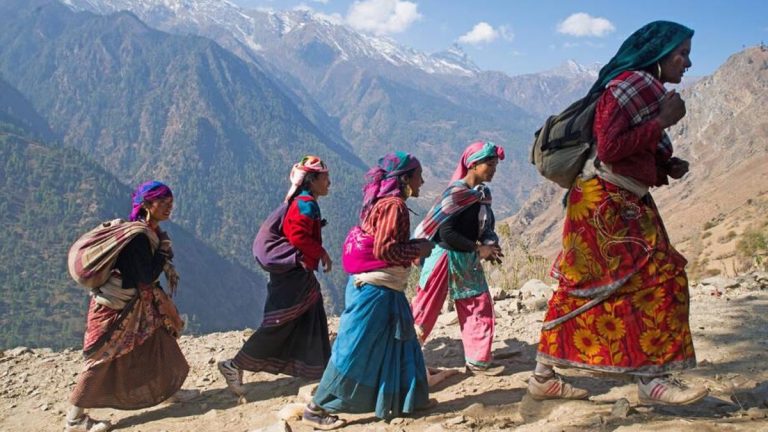
India is home to one of the largest Indigenous populations globally, known collectively as Adivasis, representing approximately 8.6% of the country’s total population, or around 104 million people (Census of India, 2011). Spread across various states and regions, Adivasi communities are incredibly diverse, with over 700 distinct tribes, each possessing unique languages, cultural practices, and traditional knowledge. Most of these communities are concentrated in the central, eastern, and northeastern regions, in states such as Jharkhand, Odisha, Chhattisgarh, Madhya Pradesh, and Assam.
Despite their rich heritage, Indigenous communities in India face significant socio-economic challenges that urgently need to be addressed. These challenges, including limited access to education, healthcare, and economic opportunities, are further compounded by geographical isolation, social stigma, and discriminatory policies. This document provides an in-depth analysis of the socio-cultural landscape of Indigenous communities in India, with a particular focus on healthcare access, HIV prevalence, and the unique challenges facing Indigenous women.
Language: Indigenous communities in India speak over 270 languages (Grierson, 1927), many of which still need to be officially recognized or supported by government policies, making language preservation challenging.
Cultural Heritage: Each tribe has a distinct cultural identity, often expressed through unique festivals, rituals, dances, and art. For example, the Santhal tribe celebrates Sohrai, a vibrant and colourful harvest festival where the entire community comes together to express gratitude to nature for a bountiful harvest. On the other hand, the Gond people have a rich tradition of wall paintings and folk songs that depict their close relationship with nature and their belief in the interconnectedness of all living beings (Pathak, 2016).
Religion and Beliefs: Indigenous communities generally follow animistic beliefs, worshipping nature and practicing folk religions. They have a unique and deeply respectful relationship with the environment, often treating forests and rivers as sacred entities. This reverence for nature is reflected in their sustainable practices, such as shifting cultivation, which allows the land to regenerate and maintain its fertility (Bose, 2012).2. Socio-Economic Challenges Facing
Poverty and Economic Marginalization: Adivasi communities are among the most economically disadvantaged in India. They often depend on agriculture, forest resources, and labour-intensive work, with limited access to sustainable employment opportunities. In fact, the poverty rate among Adivasis is [specific data], significantly higher than the national average (Ministry of Tribal Affairs, 2018).
Educational Access: Indigenous communities face barriers to education, with literacy rates significantly lower than the national average. Language differences, lack of infrastructure, and economic constraints contribute to high dropout rates among Adivasi children (Govinda & Bandyopadhyay, 2010).
Healthcare Disparities: Indigenous populations in India, particularly those in remote areas, have limited access to healthcare services. The lack of healthcare infrastructure and culturally appropriate services further restricts their access to quality care (Ram & Mohanty, 2020).