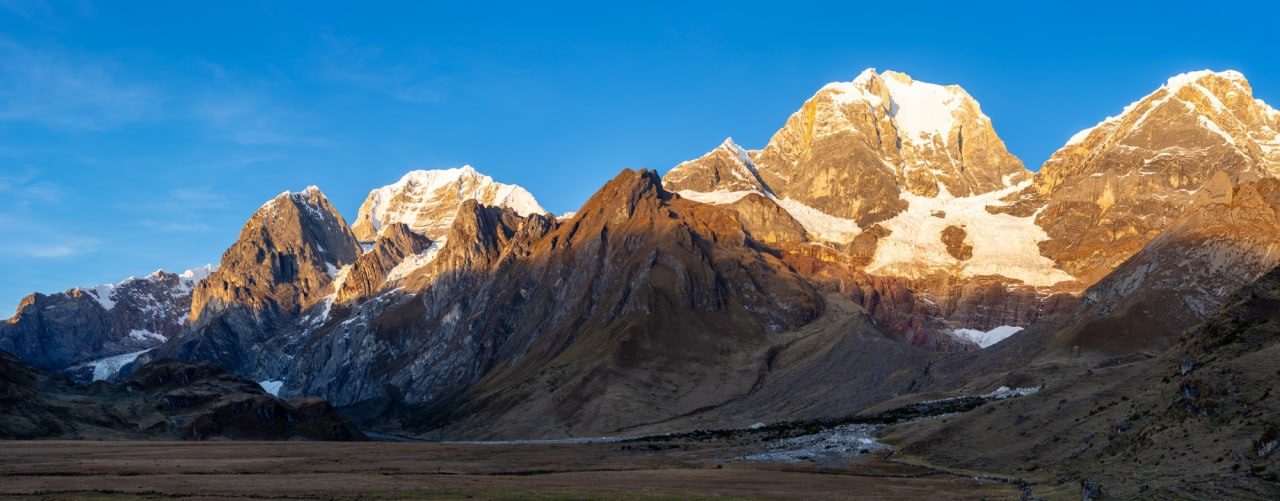
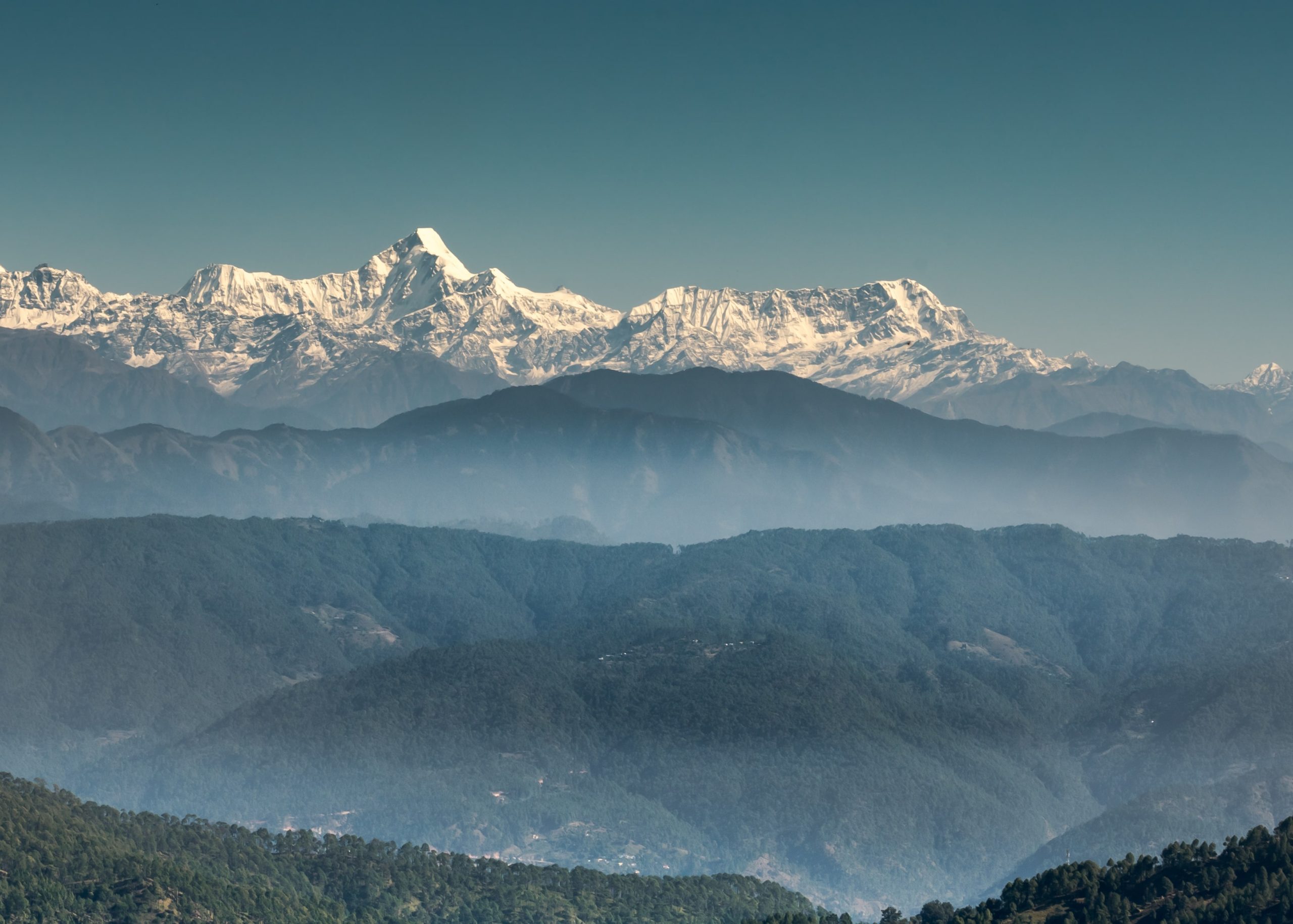
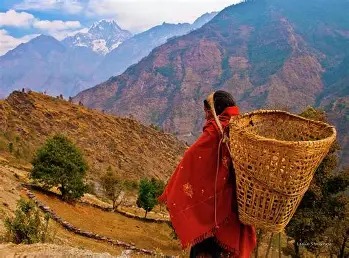
Nepal is a culturally diverse and multi-ethnic country located in South Asia between India and China. The country’s geography ranges from the Himalayan mountains to the mid-hills and the fertile plains of the Madhesh/Tarai, shaping distinct settlement patterns,livelihoods, languages, and cultural traditions. Nepal’s social structure reflects centuries of historical interaction among Indigenous Peoples, caste-based communities, and religious and linguistic minorities, making diversity one of the country’s defining characteristics. National census data demonstrates increasing recognition of Nepal’s social diversity over time. The number of officially recorded caste and ethnic groups has steadily expanded—from 59 groups in the 1991 census, 98 in 2001, 125 in 2011, to 142 in the 2021 National Census. This growth reflects improved self-identification, recognition of marginalised communities, and evolving social awareness. The 2021 census categorised Nepal’s population into four broad social groupings: caste groups, Dalits, Janajati (Indigenous Peoples/ethnic groups), and religious or linguistic minorities. These categories are further divided into Hill and Madhesh/Tarai populations, highlighting Nepal’s geographic and socio-cultural complexity. Over the past three decades, the number of Madhesh/Tarai caste and Janajati groups has increased significantly, nearly tripling between 1991 and 2021.
In terms of population distribution, Kshetris (16.4%) are the largest group, followed by Hill Brahmins (11.3%), Magars (6.9%), Tharus (6.2%), and Tamang (5.6%). While the proportion of some historically dominant groups slightly declined between the 2011 and 2021 censuses, populations such as Bishwokarma (Kami), Musalman, Yadav, and Pariyar (Damai/Dholi) have grown, indicating demographic transition and shifting social dynamics. Indigenous Peoples (Adivasi Janajati) in Nepal Indigenous Peoples of Nepal, commonly referred to as Adivasi Janajati, are communities with distinct cultural identities, languages, traditional governance systems, and historical relationships with ancestral lands and natural resources. These groups contribute significantly to Nepal’s cultural heritage, biodiversity conservation practices, and local knowledge systems. The Government of Nepal recognises Indigenous Peoples through national mechanisms,such as the National Foundation for Development of Indigenous Nationalities (NFDIN). Nepal has also demonstrated international commitment to Indigenous rights by adopting the United Nations Declaration on the Rights of Indigenous Peoples (UNDRIP) and ratifying ILO Convention No. 169, which affirms Indigenous Peoples’ rights to participation, identity, culture, and self-determination.
Policy and Governance Context
The Constitution of Nepal (2015) established Nepal as a federal democratic republic and included provisions related to inclusion and social justice. Nevertheless, Indigenous organisations and human rights groups have expressed concerns that the constitution does not fully recognise collective rights or identity-based federalism, in line with international Indigenous rights standards. Although constitutional commissions for Indigenous Peoples and Tharu communities have been established, these institutions currently have limited authority and lack strong judicial or policy enforcement powers. As a result, their role has largely remained focused on development-oriented activities rather than structural reform or rights protection. Disputes among political actors, limited participation of marginalised groups during constitutional drafting, and continued protests by Indigenous and Madhesi communities have affected the effective implementation of inclusive governance commitments. However, despite these commitments, Indigenous Peoples continue to face structural inequalities related to political representation, access to resources, socio-economic development, and meaningful participation in governance processes. Indigenous People with SRHR and HIV Indigenous Peoples (Adivasi Janajati) in Nepal face significant disparities in HIV prevention and Sexual and Reproductive Health and Rights (SRHR) services due to geographic marginalisation, poverty, stigma, language barriers, and limited culturally appropriate healthcare. Studies indicate lower access to HIV testing, comprehensive sexuality education, and reproductive health information among Indigenous women and youth compared to national averages (MoHP & NCASC, 2022; UNFPA Nepal, 2021). Structural exclusion from health governance and policy processes further increases vulnerability to HIV and poor SRHR outcomes (UNDP Nepal, 2020). Rights-based, culturally responsive, and community-led interventions are essential to improve equitable access and health outcomes for Indigenous communities in Nepal (NFDIN, 2021).